
Overview
How to Go From Employee to Six-Figure Business Owner: A Step-by-Step System That Actually Works
You don't need a genius idea to start a six-figure business, you just need to spot an existing industry that's broken and fix it. Before you do anything, get your finances in order, start building on the side while keeping your job, and make your first dollar as fast as possible. The biggest trap isn't failure, it's comfort. Follow the steps in the right order, and the business will follow.
Published on
Read Time
9 mins




How to Go From Employee to Six-Figure Business Owner: A Step-by-Step System That Actually Works
Most people are sitting around waiting for a genius idea before they ever think about starting a business. But here's the truth: you don't need one.
For me, it started with something much simpler: looking at the company I was currently working for, and thinking "I could make this better." But instead of doing it for them, why not do it for myself?
There are hundreds of industries out there desperate for new tech, better systems, and a little bit of hustle. Lawn care services, barber shops, and the one I choose financial planning.
So today, I'm going to walk you through the exact thought process and step-by-step system I used to go from employee to owner of a six-figure business. But before we get started, let me be clear on what this is not. This is not a get-rich-quick scheme. It’s not a magical investment. It’s not about a new cryptocurrency or dropshipping. Just a normal person, a lot of hard work, and yes, a lot of failing.
Also, you don't need to cancel plans with your friends, disappear on your family, or quit your job tomorrow.
With that out of the way, let's get into it.
The Simple System Outline:
Step 0: Get Your Finances in Order First
Step 1: Find Your Business Idea
Step 2: Get the Right Education and Licenses
Step 3: Start Small (and Stay Disciplined)
Step 4: Make Your First Dollar as Fast as Possible
Step 5: Transition From Side Hustle to Full-Time
Step 0: Get Your Finances in Order First
That's right, there is a step zero. If you're thinking about starting a business in the next 2–4 years, this is the most important thing you can do right now. And if you want to start ASAP, there are ways to work around it; that’s why it’s step 0.
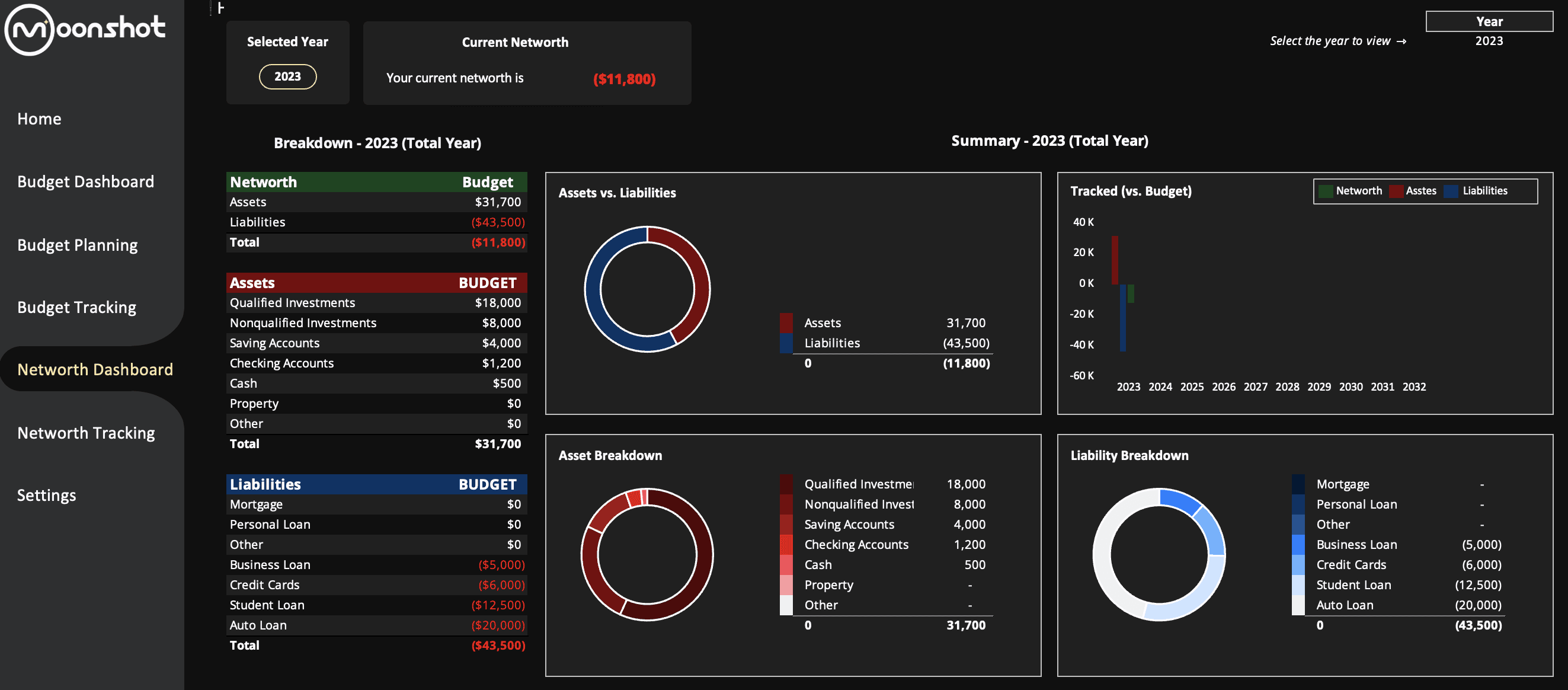
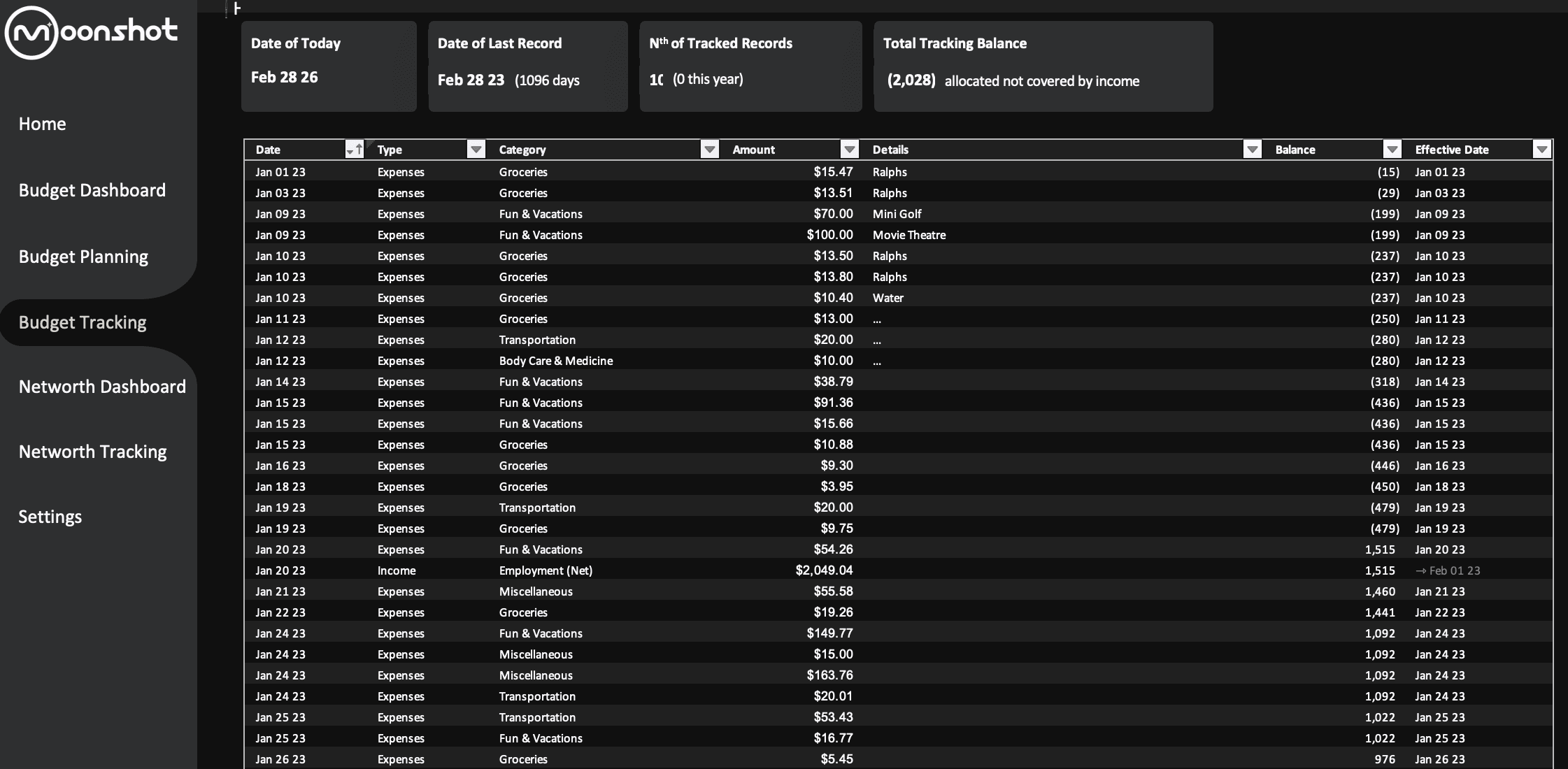
Here's what I did: I started by understanding exactly where my money was going. But keep it simple, you can download my free budget and net worth tracker to get started, but there are also lots of other tools, such as Monarch Money.

Why a Roth IRA Is a Secret Weapon for Aspiring Business Owners
My goal was to max out my Roth IRA, build an emergency fund, and invest the rest in a brokerage account. Here's why the Roth matters more for building a business than most people realize:
You can pull out your contributions (not earnings) penalty-free and tax-free.
If you end up needing startup capital, that money is accessible to you.
If you don’t end up needing it, then you've been building your retirement from an early age and getting funds into the Roth IRA, funds you won’t have the opportunity to put back in.
Example: If you've contributed $50,000 to your Roth IRA over the years, and your account has grown to $60,000, you can withdraw that original $50,000 with no penalties. The $10,000 in earnings stays locked in (or faces penalties if withdrawn early).
So the contributions are your safety net.
Step 1: Find Your Business Idea by Improving What Already Exists
You don't need to invent something from scratch. The most reliable path to a business idea is looking at existing industries and asking one question: "How could this be better?"
Think about your local barber shop. Even today, a lot of them don't take credit cards. You have to call in or just walk in and hope there's no line. But some forward-thinking shops are starting to realize this. They’re implementing online scheduling, digital payments, and even pre-tipping. This creates a faster, more efficient, and dramatically better client experience.
There are businesses that need similar shake-ups all around, so start looking out for them. Maybe it's the business you're currently working at right now.
That's exactly what happened to me. I was working at a financial planning firm with zero ability to schedule client meetings online. They had to physically drive 30–40 minutes to drop off secure documents. These were problems I could see and solve easily. This became the foundation of my own business.
When I launched, I implemented online scheduling from day one. I built a client portal where people could upload documents from anywhere. Simple changes, but they completely transformed the client experience. Not to mention the referrals they drive.
Step 2: Get the Education and Licenses You Actually Need
Learning marketing and sales is always a smart move, but depending on your industry, there may be required licenses and credentials you can't skip.
For me, that meant earning my CERTIFIED FINANCIAL PLANNER®(CFP®) designation and my Series 65 license. I started working toward both while I was still in college, so I have full confidence that you can too.
If you're going into lawn care and have never mowed a lawn professionally, you'll need trial and error, and real practice before you can confidently charge for it. If you're going into a licensed trade or professional service, find out what's required and start working toward it, while you still have income from your current job.
This prep phase is a gift. Use it.
Step 3: Start Small, But Take It Seriously
This is the meat and potatoes of the whole process.
In my industry, I had no choice but to take the leap. The second I started my own firm, I would’ve been fired at my previous one, so I left on my terms. But for most people, you can keep your job and test your idea on the side first. That's actually the smarter way to do it.
The tradeoff comes from the fact that safety creates comfort. And comfort is the enemy of momentum.
When you keep your 9-to-5, you'll have less time to build. The 3–4 hours you get each evening are extremely valuable; don't take them for granted.
A Hard Lesson About Comfort and Cash Burn
When I started my business, I had about $60,000 in savings. It felt like a solid runway. But that comfort turned into a trap.
I spent months building a website and designing processes that nobody was waiting for. A year in, the savings were gone, and I was digging into my Roth IRA. My 12-hour days had been spent on all the wrong things.
It wasn't until that fire was truly under me that I shifted my focus to the things that actually drive revenue: emailing, calling, networking.
If you're going down a similar path, find a way to light a fire under yourself before the money forces you to. Don't spend a year working your tail off on the wrong things and then decide "business just isn't for me." It is for you. You just have to work in the right order.
Step 4: Make Your First Dollar as Fast as Possible
If you follow sports, you know what happens to a baseball team getting crushed 10–0 heading into the ninth inning. The runs stop coming. The belief evaporates. The players start telling themselves they can't do it.
The same thing happens in business when you spend months building something for no one. You hide behind your laptop. You polish the logo. You perfect the website. And then one day, the seeds of doubt take root, and you start asking yourself why nothing is working.
Avoid this by making your first dollar immediately. It doesn't have to be big. It just has to be real. It proves the idea works. It keeps your momentum going. And it keeps the seeds of doubt from setting.
Step 5: Know When to Make the Full-Time Leap
This last step is all about timing, and it's less mysterious than most people make it.
The rule I follow: once your business income can cover your basic, must-have living expenses, not the nice-to-haves, you're probably ready to go full-time.
But here's the catch: you can't know this number unless you're tracking it. This is where budgeting comes full circle from Step 0. When you know exactly what your must-have monthly expenses look like, you have a concrete target to hit before you pull the trigger.
Final Thoughts: This Is a Real Path for Real People
Here is the system, one last time:
Step 0 – Understand your finances
Step 1 – Find a business idea
Step 2 – Get the education and licenses
Step 3 – Start small
Step 4 – Make your first dollar immediately
Step 5 – Transition to full-time
Cheers,
Lou
Tired of guessing With your money?
Book your free Financial Health Check, and we'll walk you through your biggest risks, hidden opportunities, and the exact next steps to get your money under control.