
CFP® for Creative Freelancers
Stop Living Project-to-Project.
Start Building Real Wealth.
We help designers, editors, strategists, and other creative freelancers smooth out irregular income, plan for taxes, and invest confidently, so your money finally feels as solid as your portfolio.





Freelancer Money Challenges
What is Keeping
Freelancers Up at Night
You’re great at your craft. You might even be great at running projects and clients. But managing irregular invoices, net‑30/net‑60 payments, taxes, and long‑term wealth? That’s a different skill set. That’s where we come in.



What We Offer
Solving money problems for
creative freelancers like you
Common Financial Questions
How much should I set aside for taxes from each invoice?
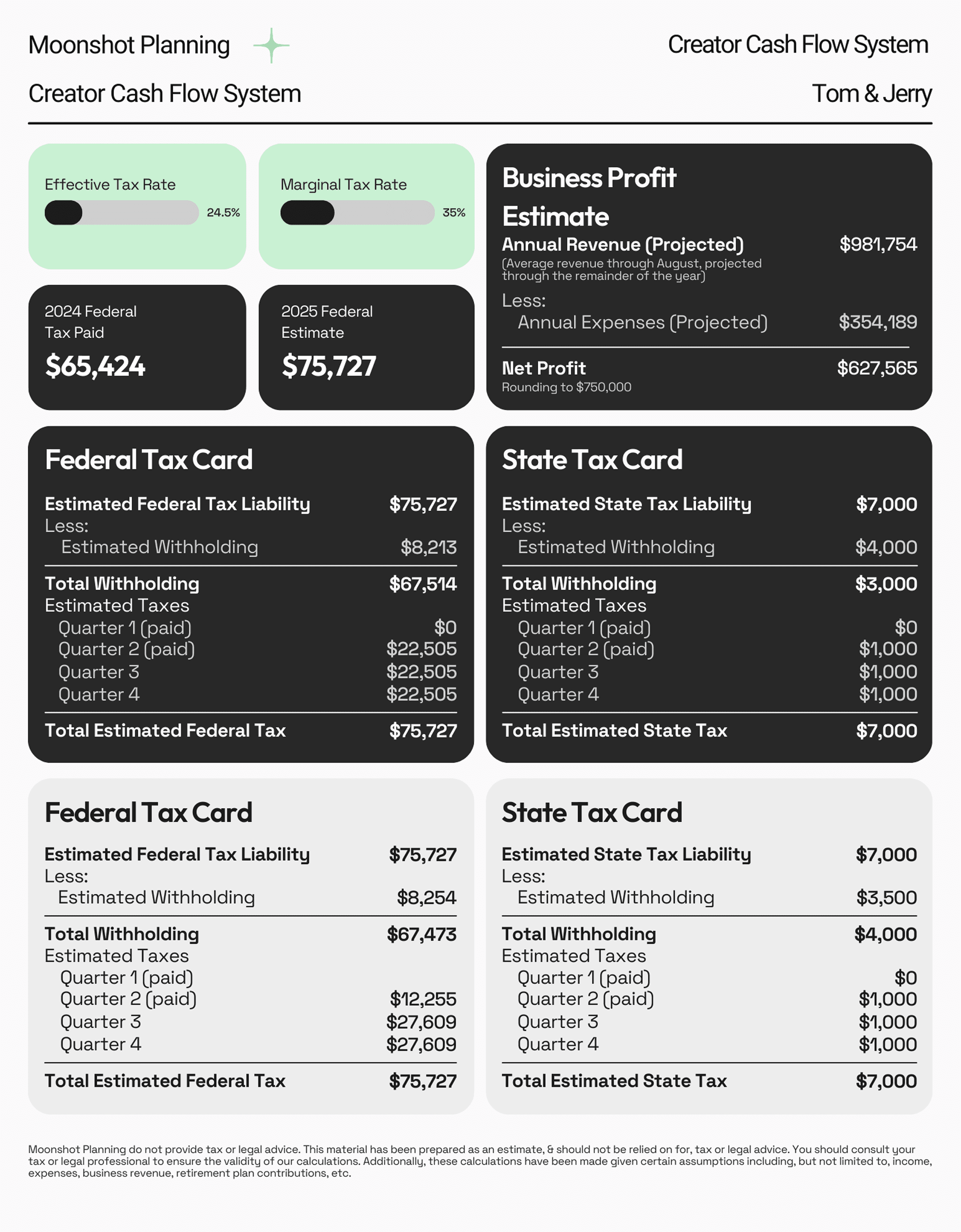
Many creative freelancers do best setting aside 25–35% of each paid invoice for federal and state taxes, but the exact percentage depends on your income, location, and deductions. We calculate personalized quarterly tax estimates based on your freelance work so you know exactly what to move aside from every payment, and help you automate it so tax season isn’t a panic.
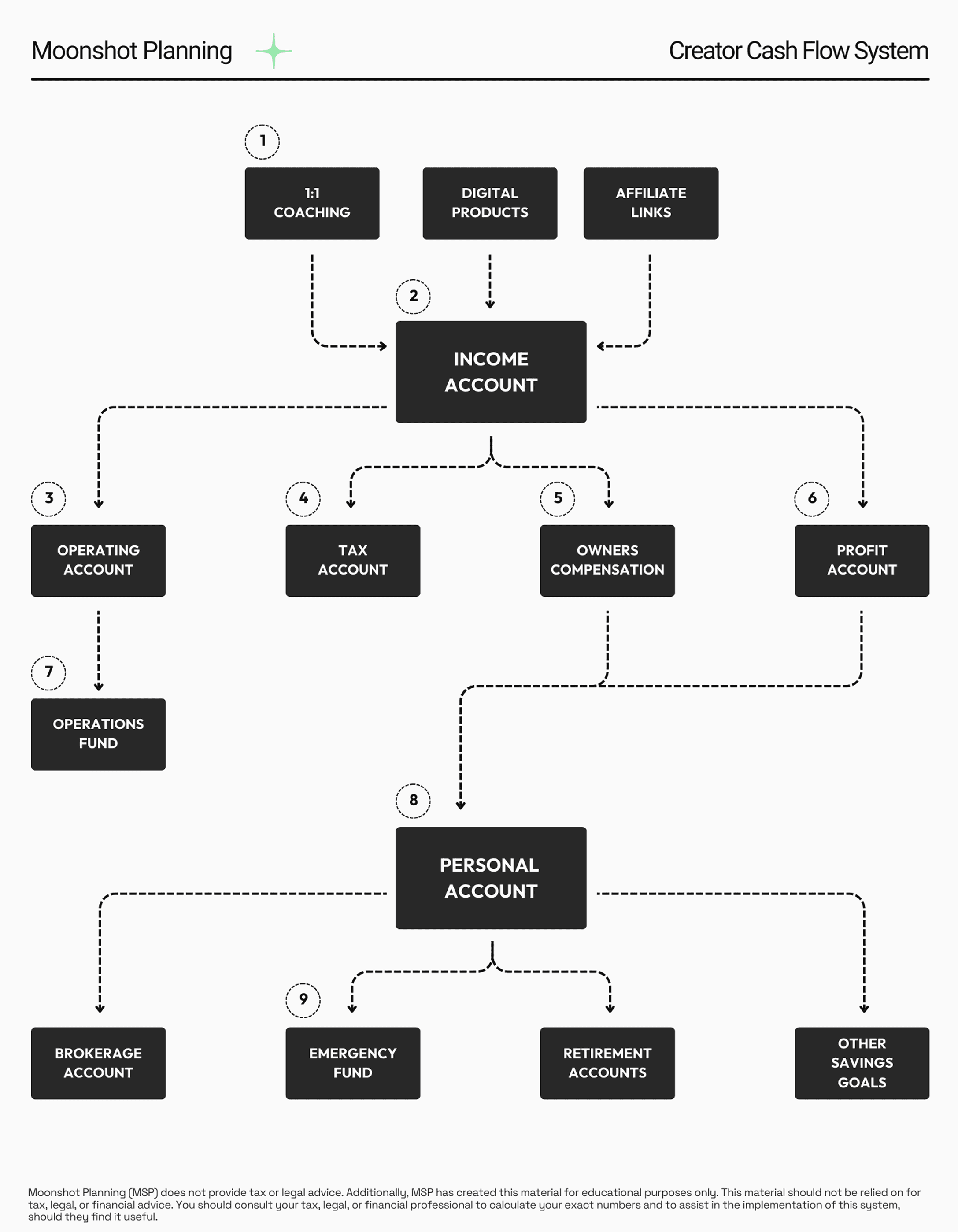
How do I budget when clients pay on net‑30 or net‑60?
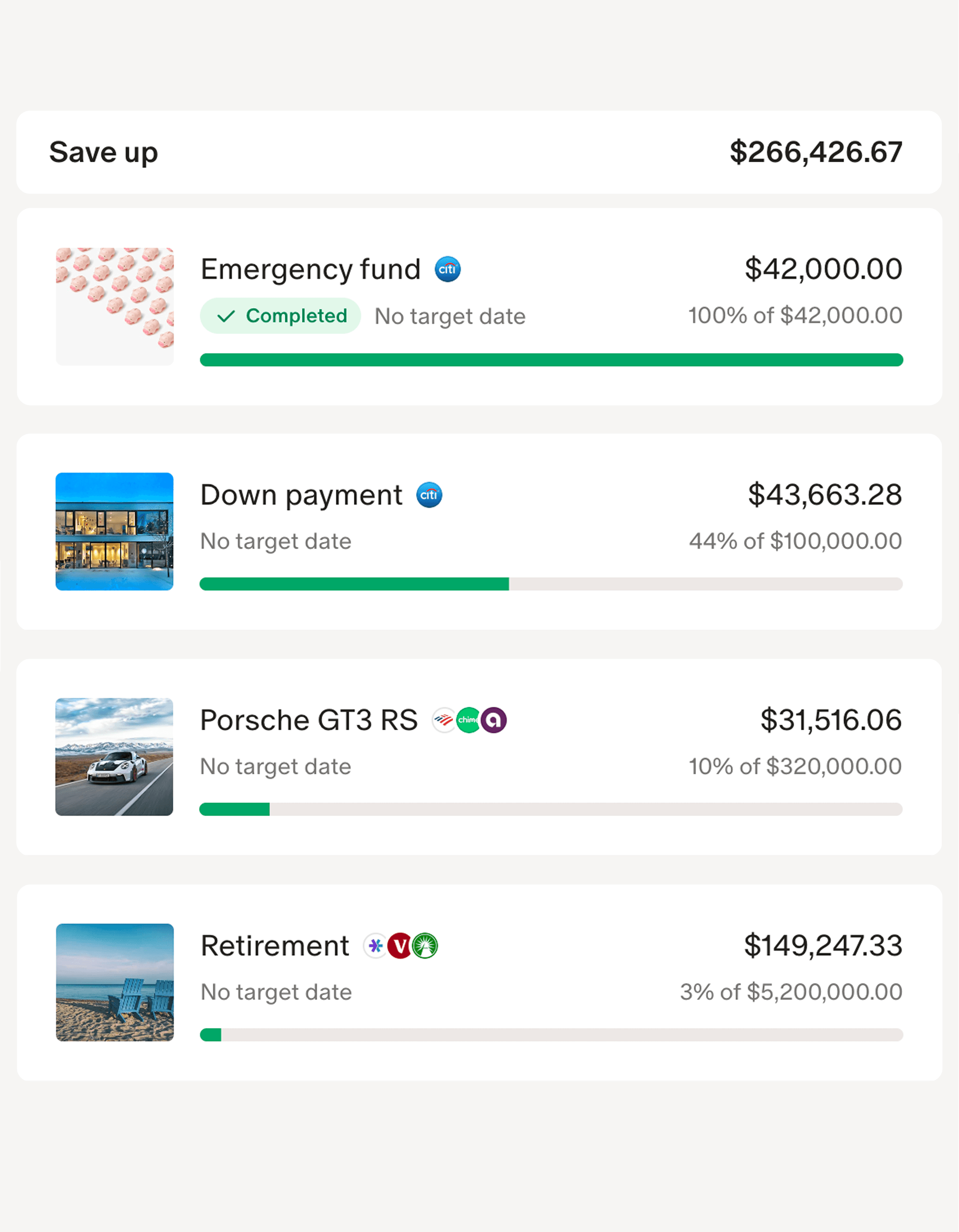
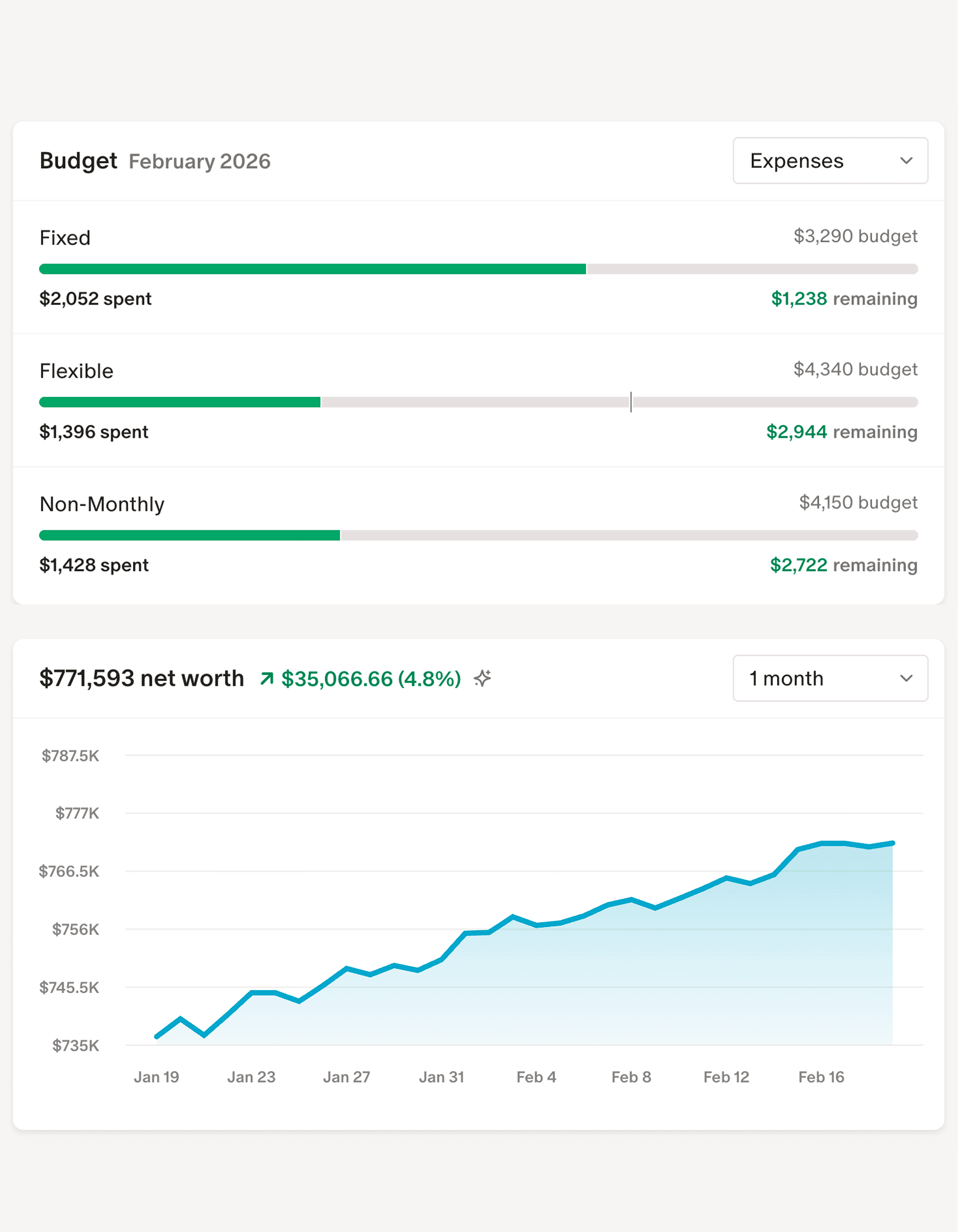
The key is to separate when invoices are paid from how you pay yourself. We help you create a cash flow system where retainers, project payments, and late invoices all flow into a business account, and you pay yourself a consistent “salary” plus build a 1–3 month buffer so one late payment doesn’t wreck your month.
What retirement options exist if I don’t have a 401(k) at a job?
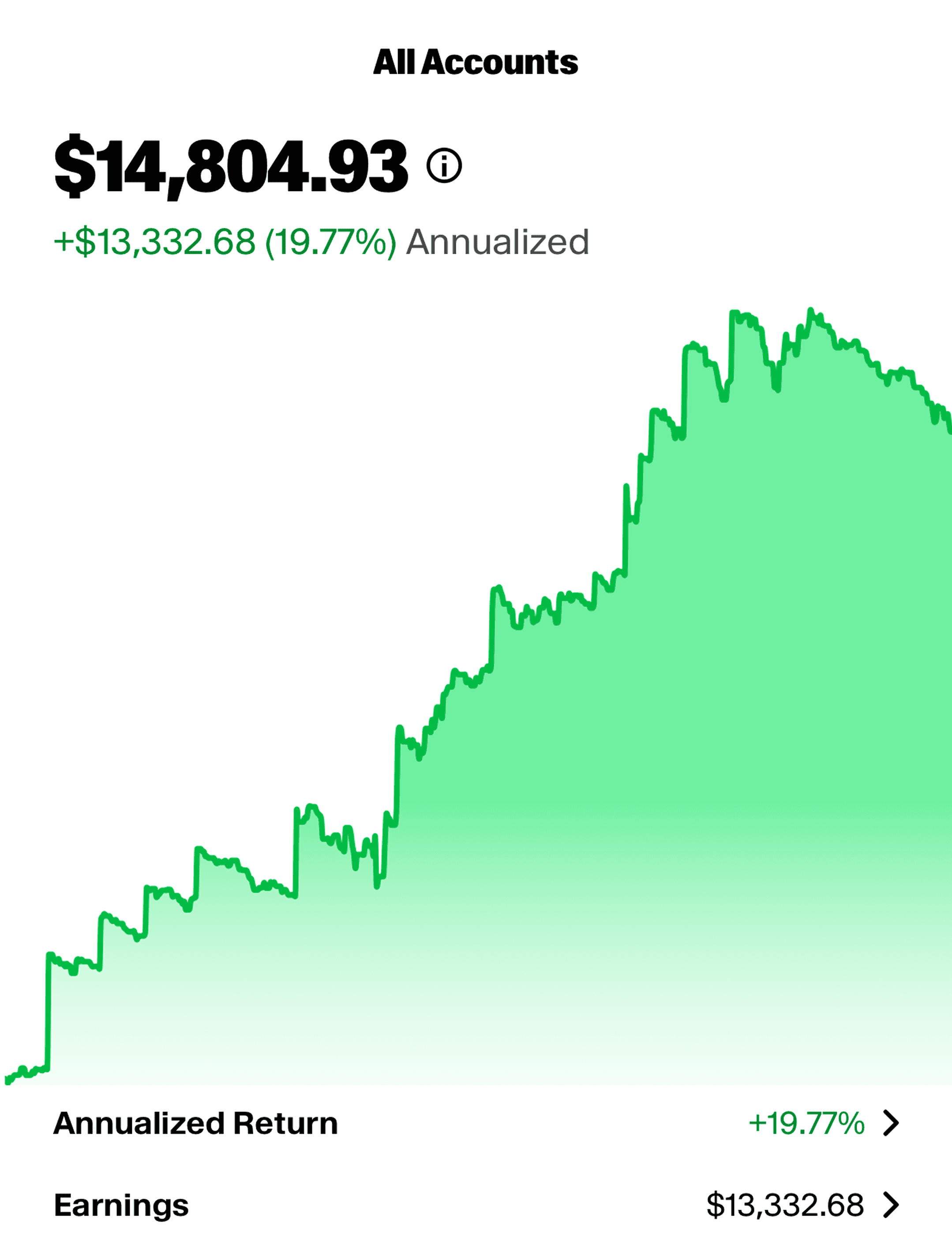
As a self‑employed freelancer, your main retirement tools are IRAs, solo 401(k)s, and SEP IRAs, plus regular brokerage accounts. We help you pick the right mix for your income level, set everything up, and automate contributions so you’re building long‑term wealth even without an employer plan.
Which business expenses can I actually write off?
Most freelancers can write off software, gear, subcontractors, education, a portion of home office, travel for client work, and more, as long as they’re ordinary and necessary for your business. We help you decide what’s likely deductible, set up simple systems to track it, and coordinate with your CPA so you’re not guessing at year‑end.
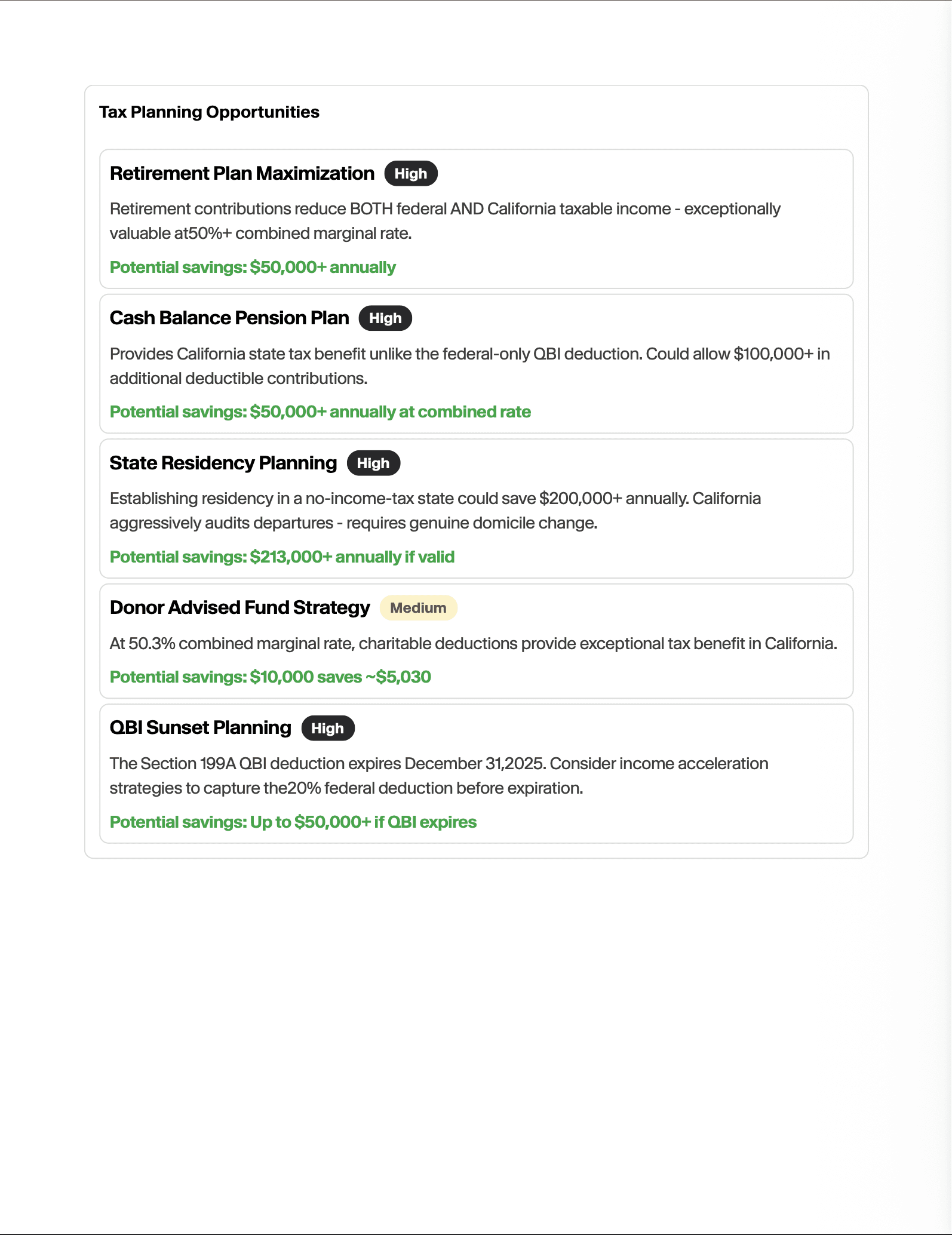
How can I legally lower my tax bill as a freelancer?
The biggest levers are choosing the right business entity (like LLC or S‑corp where appropriate), using tax‑advantaged retirement accounts, and consistently tracking and documenting business expenses. We build a tax strategy around your freelance income and goals so you’re paying what you owe—but not leaving easy savings on the table.